

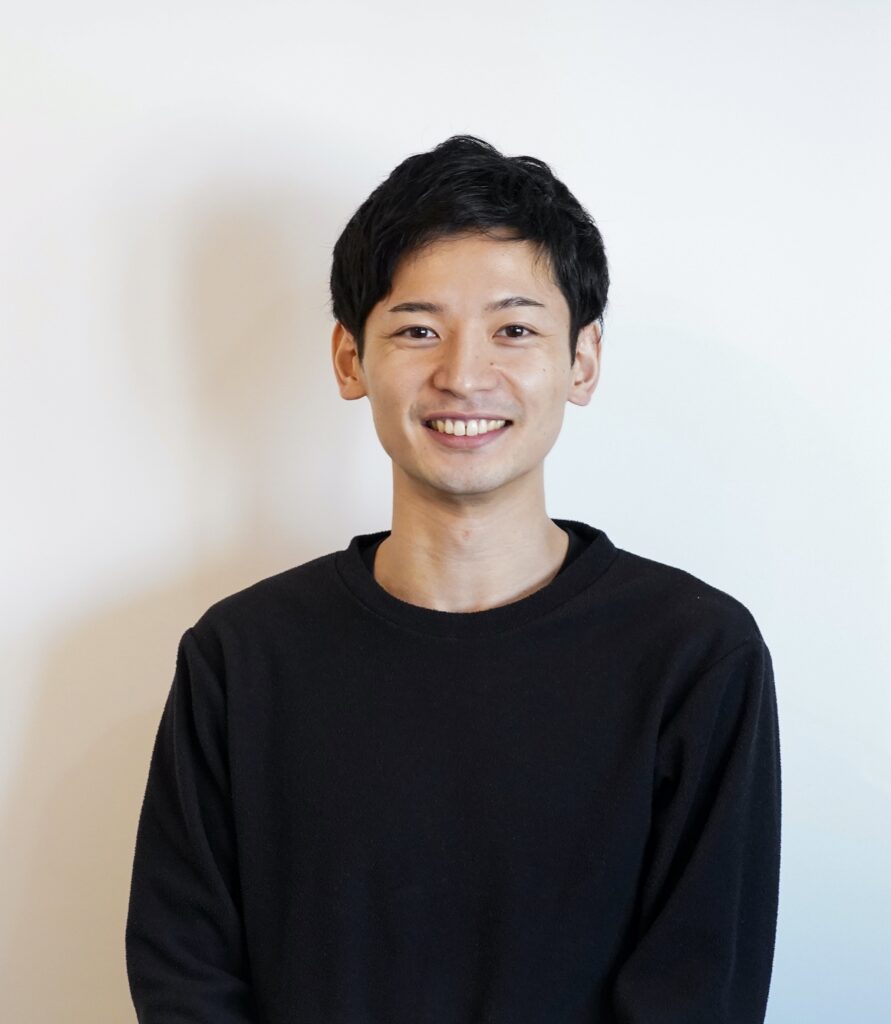
CEO
MD, MScPH
ITO Keisuke
Comment from the CEO
In the midst of the COVID‑19 pandemic in 2021, I went to the United Kingdom to study public health. The following year, in 2022, I had the opportunity to travel to the Republic of Sierra Leone—one of the world’s poorest nations—where I served as an obstetrician‑gynecologist.
There, I repeatedly witnessed young lives lost because timely medical intervention could not reach children suffering from severe malnutrition, malaria, typhoid fever, and the ensuing profound anemia, organ damage, extreme dehydration, and heart failure. What moved me even more deeply, however, were the mothers and families devastated by the deaths of their beloved children. Their grief was no different from that felt in Japan; it reminded me painfully that, across nations, cultures, and economic circumstances, a family’s love for a child is a universal human constant.
WHO reports confirm that perinatal challenges—such as preterm births and stillbirths—remain entrenched worldwide, and that barriers still exist which human effort alone cannot overcome, whether in high‑income or low‑ and middle‑income countries. Yet we have now entered an era in which rapidly advancing artificial intelligence offers wisdom that can exceed our own. We believe this new power can open pathways to safeguard life in places that have long been beyond reach.
“No matter how hard you, or your mother, may strive, whether you live or die is determined by the place where you are born.”
Confronting this harsh reality head‑on, we are committed to overcoming it through technology.
We view this project as the first step toward transforming perinatal care through the possibilities of AI‑driven telemedicine and building a new model of healthcare free from the constraints of birthplace, circumstance, or social background. To create a world where the irreplaceable lives of women and children—the weavers of our future—are protected equally, we will engage with this potential sincerely and with all our strength.